Neon Genesis Evangelion: The End of Evangelion vs Zero Sum
Neon Genesis Evangelion: The End of Evangelion has the higher audience score (8.3/10 against 6.5/10 for Zero Sum). Zero Sum is the shorter watch at 19m compared with 1h 27m. Neon Genesis Evangelion: The End of Evangelion is the older of the two (1997 against 2016). Both are drama, science fiction movies, so they suit a similar mood.
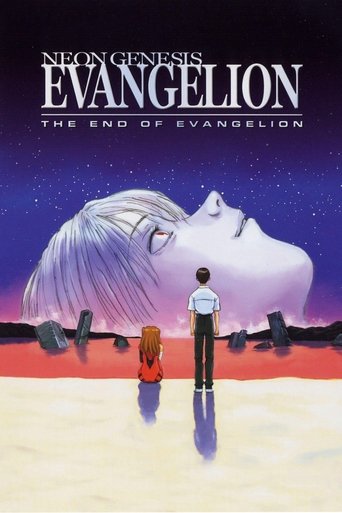 Neon Genesis Evangelion: The End of Evangelion
 Zero Sum
| Neon Genesis Evangelion: The End of Evangelion | Zero Sum | |
|---|---|---|
| Audience score | ★ 8.3/10 | ★ 6.5/10 |
| Year | 1997 | 2016 |
| Length | 1h 27m | 19m |
| Genres | Action, Animation, Drama, Science Fiction | Drama, Science Fiction |
| Country | – | United Kingdom |
| Director | Hideaki Anno, Kazuya Tsurumaki | Jimmy Hay |
| Main cast | Akira Ishida, Megumi Ogata, Koichi Yamadera, Megumi Hayashibara, Fumihiko Tachiki | Aimee-Ffion Edwards, Phil Davis, Poppy Pedder |
Synopsis
Neon Genesis Evangelion: The End of Evangelion
SEELE orders an all-out attack on NERV, aiming to destroy the Evas before Gendo can advance his own plans for the Human Instrumentality Project. Shinji is pushed to the limits of his sanity as he is forced to decide the fate of humanity.
Zero Sum
Ruth (Aimee-Ffion Edwards) wakes inside a featureless spaceship; she's no memory and is kept alive by a plastic tube connected to her lower back. Ruth removes the tube and as the searing pain subsides, her memory begins to return. She looks out of the window and sees hundreds of identical ships orbiting a green planet. Ruth remembers the pledge she made to begin a new life, light years away from the earth. Suddenly there's a noise from the…
Where to watch
Where to watch Neon Genesis Evangelion: The End of EvangelionWhere to watch Zero Sum
More like Neon Genesis Evangelion: The End of Evangelion · More like Zero Sum · Compare other titles